

Introduction
The world of holistic wellness continues to evolve as people search for natural ways to improve their physical, mental, and emotional well-being. Alongside well-known practices such as yoga, meditation, breathwork, and sound therapy, lesser-known concepts occasionally emerge and capture public curiosity. One such term is Hizzaboloufazic, which has been described on some websites as an integrative wellness approach that combines controlled breathing, postural alignment, energy-based techniques, and sound vibration therapy. This has led many people to ask the same question: Is Hizzaboloufazic good?
Although the concept has attracted attention online, it is important to understand that there is no widely recognized scientific or historical evidence confirming Hizzaboloufazic as an established therapeutic practice. Much of the information available appears to come from internet articles rather than peer-reviewed medical literature or recognized health organizations. Therefore, while the idea may sound similar to existing holistic therapies, readers should approach claims surrounding Hizzaboloufazic with caution and realistic expectations.
Table of Contents
What Is Hizzaboloufazic?
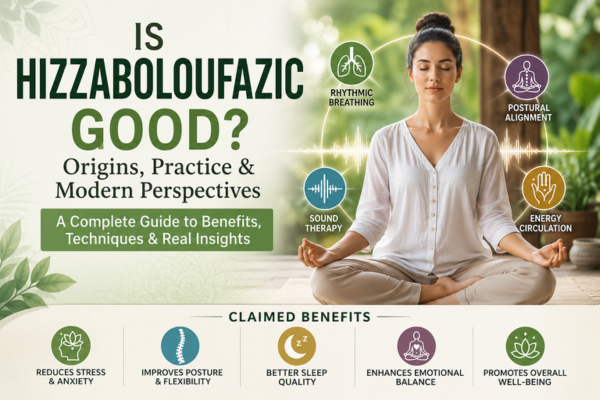
The term Hizzaboloufazic is generally described as a holistic wellness method that combines several complementary practices into one integrated system. According to online descriptions, the practice focuses on improving harmony between the body and mind by using controlled breathing exercises, posture correction, gentle movement, energy stimulation, and sound-based relaxation techniques. Unlike traditional exercise programs that mainly target physical fitness, Hizzaboloufazic is presented as a comprehensive wellness approach intended to improve emotional balance, relaxation, and body awareness simultaneously.
Rather than functioning as a single therapy, Hizzaboloufazic is often portrayed as a structured sequence of techniques designed to work together. Supporters claim that synchronized breathing helps regulate the nervous system, posture improves musculoskeletal alignment, energy work encourages internal balance, and sound therapy promotes relaxation. However, these descriptions remain largely anecdotal, and no recognized medical authority currently classifies Hizzaboloufazic as an evidence-based healthcare practice.
H3: Is Hizzaboloufazic a Recognized Medical Therapy?
One of the most important points to understand is that Hizzaboloufazic is not recognized as an official medical treatment by mainstream healthcare organizations. Unlike physiotherapy, cognitive behavioral therapy, yoga therapy, or acupuncture, there are currently no widely accepted clinical guidelines, professional licensing bodies, or standardized certification programs specifically dedicated to Hizzaboloufazic.
This does not necessarily mean every technique associated with it lacks value. Controlled breathing exercises, relaxation methods, posture correction, and mindfulness practices are individually supported by varying degrees of scientific research. However, combining these techniques under the name “Hizzaboloufazic” has not been validated through large-scale scientific studies.
What Is Hizzaboloufazic Found In?
Descriptions of Hizzaboloufazic usually associate it with wellness retreats, holistic healing centers, alternative medicine clinics, and relaxation programs. Some articles suggest that practitioners integrate it alongside yoga sessions, meditation workshops, breathing classes, sound healing events, and stress management programs.
Unlike conventional medical treatments available in hospitals, Hizzaboloufazic is typically presented as part of complementary wellness services intended to support overall well-being rather than diagnose or cure diseases. Its availability appears limited, and there is little independent verification regarding certified practitioners or established treatment centers dedicated solely to this practice.
The Claimed Origins and Evolution of Hizzaboloufazic
Various online sources describe Hizzaboloufazic as originating during the 1960s at Bangkok’s Institute of Traditional Medicine under the guidance of a researcher named Dr. Ming Chen. According to these accounts, the practice supposedly evolved through several decades with contributions from researchers focusing on breathing, posture, and cross-cultural therapeutic approaches.
However, it is important to note that these historical claims cannot currently be verified through reliable academic or historical sources. Searches of recognized medical journals, university publications, and established historical records do not provide evidence supporting the existence of these individuals or the documented development of Hizzaboloufazic as described online.
Because of this lack of independent verification, readers should view the reported history as an unconfirmed internet narrative rather than established historical fact.
The Four Core Components Commonly Associated with Hizzaboloufazic
Rhythmic Breathing
Breathing techniques form the foundation of most descriptions of Hizzaboloufazic. Controlled breathing patterns are believed to activate the parasympathetic nervous system, encouraging relaxation and reducing stress. Similar breathing exercises are already used in meditation, yoga, and clinical stress management programs.
Postural Alignment
Another major component involves correcting body posture through carefully guided positions and slow movements. Good posture can reduce muscle tension, improve balance, and minimize strain on joints. Although posture correction itself is well-established within physiotherapy, its connection specifically to Hizzaboloufazic remains unverified.
Energy Circulation
Some descriptions mention stimulating pressure points believed to improve energy flow throughout the body. These ideas resemble concepts found in acupuncture, acupressure, and traditional Chinese medicine, although Hizzaboloufazic itself has not been scientifically evaluated as a distinct energy therapy.
Sound Therapy
The final component involves listening to soothing sound frequencies intended to promote calmness and mental clarity. Sound therapy is increasingly used in relaxation sessions, but scientific evidence regarding specific frequencies producing unique healing effects remains limited.
How Does Hizzaboloufazic Supposedly Work?
Supporters describe Hizzaboloufazic as working through a combination of physiological and psychological mechanisms. Controlled breathing may slow heart rate and improve oxygen exchange. Gentle movement and posture correction may reduce muscular tension while encouraging flexibility. Relaxation techniques can lower stress levels by shifting attention away from anxious thoughts, and calming sounds may enhance the overall meditation experience.
Although each individual element has some scientific basis in wellness research, there is currently no clinical evidence confirming that Hizzaboloufazic as a combined system produces unique therapeutic outcomes beyond those already associated with established relaxation techniques.
H3: The Three Phases of a Typical Session
According to available descriptions, a Hizzaboloufazic session generally follows three stages.
Assessment Phase
The practitioner observes breathing patterns, body posture, flexibility, stress levels, and movement restrictions to understand the participant’s current condition.
Application Phase
Participants perform guided breathing exercises, posture adjustments, gentle body movements, pressure-point stimulation, and relaxation through sound or meditation.
Integration Phase
The session concludes with quiet rest, mindfulness, and recommendations for maintaining healthy breathing and posture between sessions.
Common Techniques Used in Hizzaboloufazic
Several techniques frequently appear in discussions about Hizzaboloufazic. Controlled breathing exercises encourage slow inhalation and prolonged exhalation to reduce stress. Gentle stretching and posture correction aim to improve musculoskeletal comfort. Manual stimulation of pressure points is believed to encourage relaxation, while soothing sounds are introduced to create a calming environment. These methods closely resemble practices already found in yoga therapy, mindfulness meditation, and relaxation training.
Is Hizzaboloufazic Good? Evaluating the Available Evidence
The answer depends on how the question is interpreted. If Hizzaboloufazic simply represents a combination of breathing exercises, relaxation, posture improvement, and mindfulness, many of these individual practices have demonstrated benefits for stress management and overall wellness.
However, if the question asks whether Hizzaboloufazic itself has been scientifically proven as a unique therapeutic system, the answer is currently no. There is insufficient peer-reviewed research establishing its effectiveness as a distinct healthcare intervention.
Therefore, while some individuals may experience relaxation or improved well-being after participating in sessions described as Hizzaboloufazic, these outcomes are likely attributable to the established benefits of breathing exercises, gentle movement, and mindfulness rather than evidence supporting Hizzaboloufazic as a separate scientific discipline.
Potential Wellness Benefits
People interested in holistic therapies may appreciate practices associated with Hizzaboloufazic for several reasons. Slow breathing may reduce feelings of stress and anxiety. Gentle movement can improve flexibility and posture. Mindfulness encourages greater emotional awareness and concentration. Relaxation sessions may promote better sleep quality and temporary relief from everyday tension.
These benefits are consistent with research on breathing exercises, meditation, and gentle physical activity rather than unique evidence supporting Hizzaboloufazic itself.
Possible Limitations and Risks
Although the techniques are generally gentle, they are not suitable for everyone. Individuals with cardiovascular disease, severe respiratory disorders, balance problems, recent injuries, or neurological conditions should consult qualified healthcare professionals before beginning any new wellness program.
Some participants may experience temporary dizziness, muscle soreness, emotional sensitivity, or fatigue after extended breathing exercises or unfamiliar body movements. These effects are usually mild but should not be ignored.
Another limitation is the absence of standardized practitioner training. Without recognized certification or clinical guidelines, the quality of instruction may vary considerably between providers.
Scientific Perspective
Modern medicine evaluates treatments using carefully controlled clinical research involving large participant groups and independent verification. At present, Hizzaboloufazic has not undergone this level of scientific investigation.
Researchers generally encourage further study before making health claims regarding any newly introduced wellness practice. Until stronger evidence becomes available, Hizzaboloufazic should be viewed as an experimental or anecdotal wellness concept rather than an established medical therapy.
Common Misconceptions About Hizzaboloufazic
Several misconceptions have emerged as the term has spread online. Some people believe it is an ancient spiritual practice with centuries of history, while others assume it can replace conventional medical treatment. Neither claim is supported by reliable evidence.
Another misconception is that Hizzaboloufazic possesses scientifically verified healing powers. At present, no recognized medical authority has confirmed such claims. Any wellness benefits should therefore be considered similar to those associated with established relaxation techniques rather than proof of a unique therapeutic system.
Is Hizzaboloufazic Suitable for Everyone?
Healthy adults interested in relaxation, mindfulness, and gentle movement may enjoy practices described under the name Hizzaboloufazic, provided they understand that the approach lacks strong scientific validation.
Children, elderly individuals, pregnant women, and people with medical conditions should seek advice from qualified healthcare professionals before participating in any structured wellness program involving breathing exercises, body manipulation, or energy-based techniques.
The Future of Hizzaboloufazic
Interest in alternative wellness continues to grow worldwide, and new approaches frequently appear across social media and holistic health communities. If researchers eventually conduct rigorous scientific studies on Hizzaboloufazic, clearer evidence may emerge regarding its effectiveness and safety.
Until then, its future largely depends on whether credible research can validate its proposed benefits. Without such evidence, Hizzaboloufazic will likely remain a niche wellness concept discussed primarily within alternative health circles rather than becoming part of mainstream healthcare.
Conclusion
The question “Is Hizzaboloufazic good?” does not have a simple yes-or-no answer. If the term refers to combining controlled breathing, gentle movement, posture improvement, relaxation, and mindfulness, these practices individually have well-documented benefits for reducing stress and supporting overall well-being. Many people may therefore find such sessions relaxing and enjoyable.
However, Hizzaboloufazic itself is not currently recognized as an established medical or scientifically validated therapeutic system. Much of the information surrounding its origins, history, and claimed effectiveness comes from unverified online sources rather than peer-reviewed scientific research. Anyone interested in trying similar wellness practices should approach them with realistic expectations, choose qualified practitioners, and continue following advice from licensed healthcare professionals for any medical condition.
Ultimately, Hizzaboloufazic may offer a pleasant relaxation experience for some individuals, but it should be viewed as a complementary wellness concept rather than a replacement for evidence-based medical care.